
Last Updated on March 3, 2025 by Damien Hurwitz
Why AI is Changing Lead Generation in E-Commerce
Traditional lead generation methods are struggling to keep up. Cold emails, generic ads, and static lead capture forms don’t cut it anymore. AI, however, is revolutionizing how businesses attract and convert leads by making interactions hyper-personalized.
1. Chatbot Lead Capture: Turning Browsers into Buyers
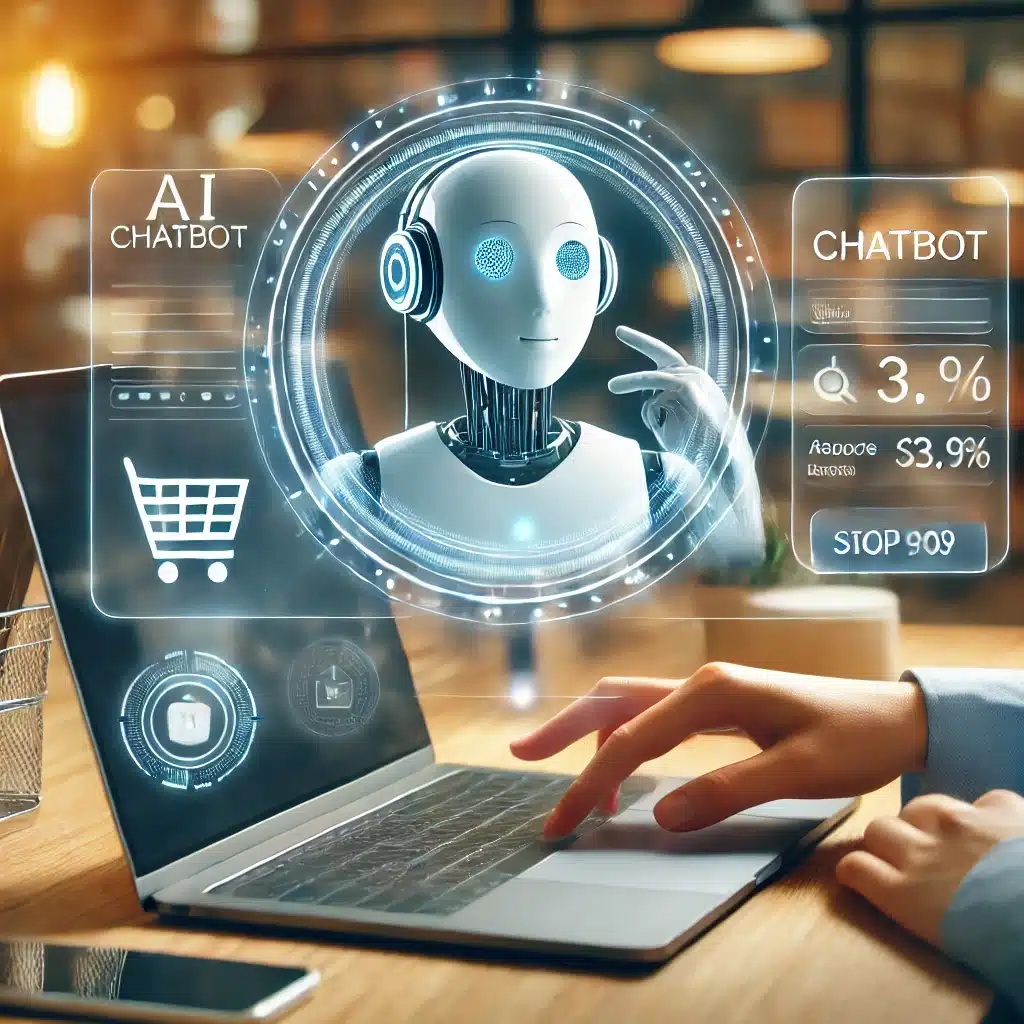
AI-powered chatbots are changing how e-commerce brands engage visitors. Instead of static forms, chatbots initiate real-time conversations, answer questions, and guide potential customers toward purchases. A chatbot can analyze user behavior, recommend products, and even qualify leads based on responses.
For example, a chatbot on a fashion retailer’s website might ask, “Looking for a new outfit? Tell me your style preference!” By using AI-driven suggestions, the chatbot increases engagement and conversions.
Additionally, chatbots work 24/7, meaning potential customers receive immediate responses no matter the time of day. This accessibility enhances the user experience and boosts conversion rates.
2. Predictive Analytics: Knowing What Customers Want Before They Do
Imagine knowing what your customer wants before they even search for it. That’s what predictive analytics does. AI examines browsing habits, purchase history, and even external trends to forecast what customers are likely to buy.
Amazon is a great example. Its recommendation engine, powered by AI, generates 35% of the company’s total revenue through personalized suggestions. E-commerce brands can implement similar strategies to increase sales.
Beyond product recommendations, predictive analytics can optimize inventory management. By forecasting demand accurately, businesses can stock the right products, reducing overstock and missed sales opportunities.
3. Machine Learning in E-Commerce: Smarter Ad Targeting
AI doesn’t just personalize content—it also refines advertising. Machine learning analyzes massive datasets to create highly targeted ads, ensuring businesses reach the right audience at the right time.
For instance, AI can detect patterns in customer behavior and adjust ad campaigns automatically. If a customer regularly shops for fitness gear, machine learning tools ensure they see relevant offers, boosting conversion rates.
Furthermore, machine learning reduces ad waste. By identifying which leads are most likely to convert, AI helps businesses focus their marketing budget on high-quality prospects, increasing return on investment.
4. Dynamic Email Personalization: More Than Just a First Name
Email marketing remains one of the most effective ways to nurture leads, but generic messages get ignored. AI makes email marketing more personal by dynamically adjusting subject lines, product recommendations, and timing based on a user’s past behavior.
Tools like Klaviyo and HubSpot use AI to optimize email campaigns, ensuring each customer receives content that resonates with them.
Moreover, AI can test different email variations in real-time, adjusting content and subject lines for the highest open and engagement rates. This data-driven approach enhances the effectiveness of email marketing efforts.
5. AI-Powered Customer Segmentation: Targeting the Right Audience
AI enables businesses to segment their audience more precisely than ever before. Instead of broad demographics, AI segments customers based on behavior, purchase history, and engagement levels.
For example, AI can identify frequent shoppers, lapsed customers, and bargain hunters, allowing businesses to tailor their marketing strategies accordingly. Highly targeted messaging increases customer retention and lifetime value.
Getting Started with AI Lead Generation
Implementing AI-driven lead generation doesn’t have to be complicated. Here’s how to begin:
- Use chatbots to interact with website visitors and capture leads in real-time.
- Leverage predictive analytics to understand customer behavior and make smarter marketing decisions.
- Optimize ad targeting with machine learning to improve campaign effectiveness.
- Personalize email marketing with AI-driven content recommendations.
- Utilize AI for customer segmentation to create highly targeted campaigns.
Final Thoughts
AI-driven lead generation is no longer a futuristic concept—it’s a necessity. By embracing chatbot lead capture, predictive analytics, and machine learning, e-commerce brands can stay ahead of the competition and deliver the personalized experiences customers expect.
If you’d like help growing your business via AI-powered lead generation and personalization, contact us today for a free strategy consultation.