
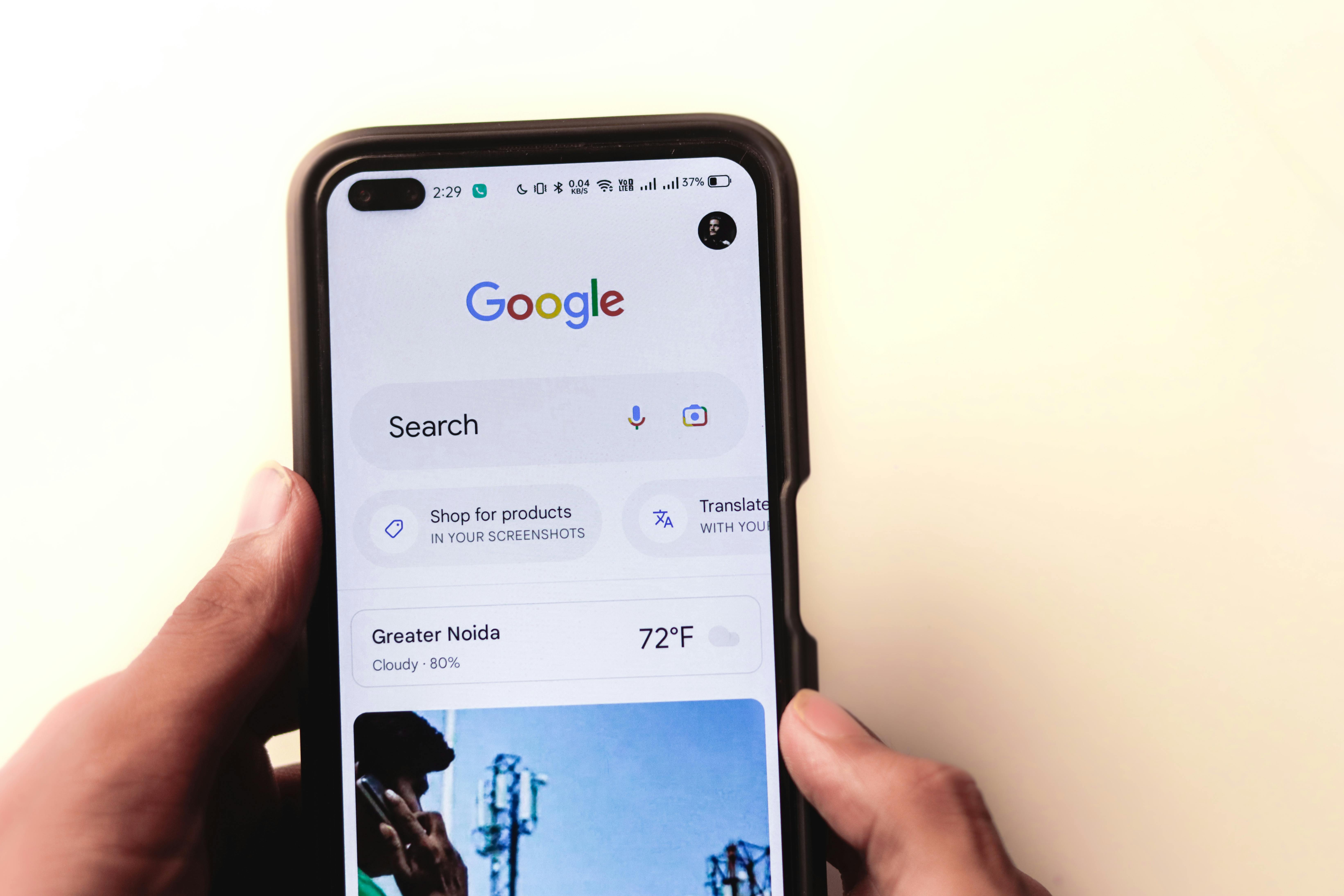
Google’s AI Mode is increasingly becoming the default, fundamentally shifting how we interact with online information. This isn’t just an experiment anymore; starting in May and June 2025, Google began rolling out AI Mode to all U.S. searchers, making it available without needing to opt in through Search Labs, and even appearing in Incognito mode. This broad expansion is a huge paradigm shift. This new mode aims to simplify how we get answers, especially for complex questions, but it also raises numerous questions for anyone who relies on the web for information or business.
Understanding Google’s AI Mode
Think of AI Mode as Google Search getting a major AI overhaul, powered by its Gemini generative AI model. Instead of just giving you links you then have to click through, AI Mode tries to give you a direct, comprehensive answer right at the top of your search results. It uses a clever “query fan-out” technique, which basically means it breaks your complicated question into smaller parts and searches for all of them at once across tons of data sources. Then, it pulls all that info together into one easy-to-understand response, often with bullet points, comparisons, and even interactive bits. It can also handle different inputs like text, voice, and images. For example, you could snap a picture of a product and ask Google’s AI Mode questions about it, getting insights and links to buy it.
How Does This Affect Your Everyday Search?
For most people, Google’s AI Mode probably feels like a faster way to get answers. The AI can synthesize information from many sources and give you a quick overview without you bouncing between tabs. It seems pretty helpful for those “I need to understand this quickly” moments. Google says users are more satisfied and search more frequently when they use AI Overviews, which are kind of a precursor to AI Mode. This shift means less clicking around and more direct consumption of information, which could be a real time-saver for many.
As CNET reported on July 1, 2025, a new tab is now appearing in the Google Search bar that “feels a lot more like an AI chatbot than a traditional search engine,” and it’s available for all English language users in the US over age 13 without opting in. This really drives home how much this is becoming the new normal. However, it’s worth remembering that even AI can get things wrong sometimes, so it’s always smart to double-check important info.
How Does This Affect Digital Marketing?
While users might be enjoying the convenience, the digital marketing world is feeling some major tremors. For businesses and content creators, the rise of AI Mode presents a pretty big challenge to traditional SEO strategies. If users are getting all their answers directly from Google’s AI summary, why would they click through to a website? This “zero-click search” phenomenon isn’t new, but AI Mode supercharges it.
Lily Ray, VP of SEO Strategy and Research at Amsive, said in a June 2025 BBC interview, “If Google makes AI Mode the default in its current form, it will have a devastating impact on the internet.” She highlighted how it could seriously cut into the main revenue streams for many content creators, like publishers, small businesses, and individual content creators who rely on organic search traffic to make a living. This really makes you think about the future of online visibility and how crucial it is to adapt your strategy, not just tweak it.
Adapting to Google’s AI Mode
The old rules for SEO might not cut it anymore. It’s not just about getting your website to rank high for certain keywords; it’s about being the definitive source that Google’s AI chooses to cite. To truly stand out, your content strategy needs to adapt by focusing on:
- Producing high-quality, trustworthy content that demonstrates Experience, Expertise, Authoritativeness, and Trustworthiness (E-E-A-T).
- Including concise headings, bullet points, and tables that AI can easily parse and understand. Content needs to be structured super clearly so that AI systems can easily pull out modular chunks for their summaries.
- Addressing all the related questions a user might have, even if they didn’t type them directly into the search bar, anticipating their deeper needs and providing thorough answers that leave no stone unturned. As Moz pointed out, covering the full “intent space” of a query, not just the main keyword, is crucial.
For a deeper dive into how to future-proof your content for this new landscape, check out Sandhill’s article on GEO best practices, which breaks down key strategies for optimizing content for GEO.
It’s possible that the relationship between users, websites, and search engines will change dramatically. Some folks are worried about a “machine web” where content is made more for AI consumption than for human readers. This isn’t just an economic issue; it’s a conceptual one about how we value and verify information online. The unpredictability of AI Mode results, with a study showing a 91% change rate in URLs for repeated queries, certainly makes things interesting. This means marketers need to be agile and focus on domain-wide authority rather than just chasing specific rankings. You can read more about the inconsistency of Google’s AI Mode results here. The future of search might involve less direct website traffic for some queries, but it could also mean more brand visibility within Google’s own ecosystem if you play your cards right.
Final Thoughts
Ultimately, Google’s AI Mode is here, and it’s not going anywhere. It’s a pretty big step in how we find information online, and it’s pushing everyone in digital marketing to rethink their strategies. While some see it as a “disaster,” others see it as an opportunity to focus on creating even better, more authoritative content. The key seems to be adaptability, producing super high-quality content that truly demonstrates value, and making sure your brand is seen as a go-to source for trustworthy information, whether users click through to your site or get the answer directly from Google’s AI.
At Sandhill Digital, we’re always keeping an eye on these kinds of shifts. We get that the digital landscape never sits still, and we’re all about helping businesses adapt. If you’d like help growing your business, contact us today for a free strategy consultation, or explore our paid social services and our SEO services to see how we can accelerate your results across platforms.